First of all, check this guy out:
 |
| Probably the most obscenely cute thing I've ever made in photoshop. |
So what is this? Well, the different petals represent the 5 different personality aspects that the Big 5 test for. The opacity (or "see-thru-ness" for those with sex lives) of the stem represents the locus of control. Some nit-pickers may have noticed an irregularity between the personality aspects on the little flower label thing to the right and what the Big 5 tests for, as described in the last blog.
I switched "Neuroticism" for "Emotional Stability." There's precedent for this, Professor Wiki tell me, and all that's required is inverting the percentage that the test results render. All the other traits have ideal results in the 100 percentile, except Neuroticism is a negative trait, so you want to be towards the 0%. I really have no idea why they designed it like this, unless the goal of the Big 5 Test was to find psychological clones of Woody Allen. Well, look no further than me:
Here's what my results looked like when the website I used spit them out.
It also doesn't hurt that I'm 22 and these kids are as young as 12. Time does give us a few gifts.
I switched "Neuroticism" for "Emotional Stability." There's precedent for this, Professor Wiki tell me, and all that's required is inverting the percentage that the test results render. All the other traits have ideal results in the 100 percentile, except Neuroticism is a negative trait, so you want to be towards the 0%. I really have no idea why they designed it like this, unless the goal of the Big 5 Test was to find psychological clones of Woody Allen. Well, look no further than me:
Here's what my results looked like when the website I used spit them out.
 | ||||
| This website's background is Baby-puke-green, in case your results made you feel good about yourself. |
You
can see I wanted to find a better way to visualize the results from
this test. I read these results and I think 90% on Openness, sweet!
That's better than I ever got in a math class. Conscientiousness, 83%.
Well, I don't even know what that really is so I won't sweat it.
Extroversion, 86%... I feel like the fact that I'm blogging about this
shows that I'm not in the 86th percentile for Extroversion-ism, but
whatever. Agreeableness, 70%? Well, fuck you, test! And Neuroticism,
80%, not bad! Wait... shit. I have some mixed feelings, but a few
moments later what I take away is... pretty much nothing.
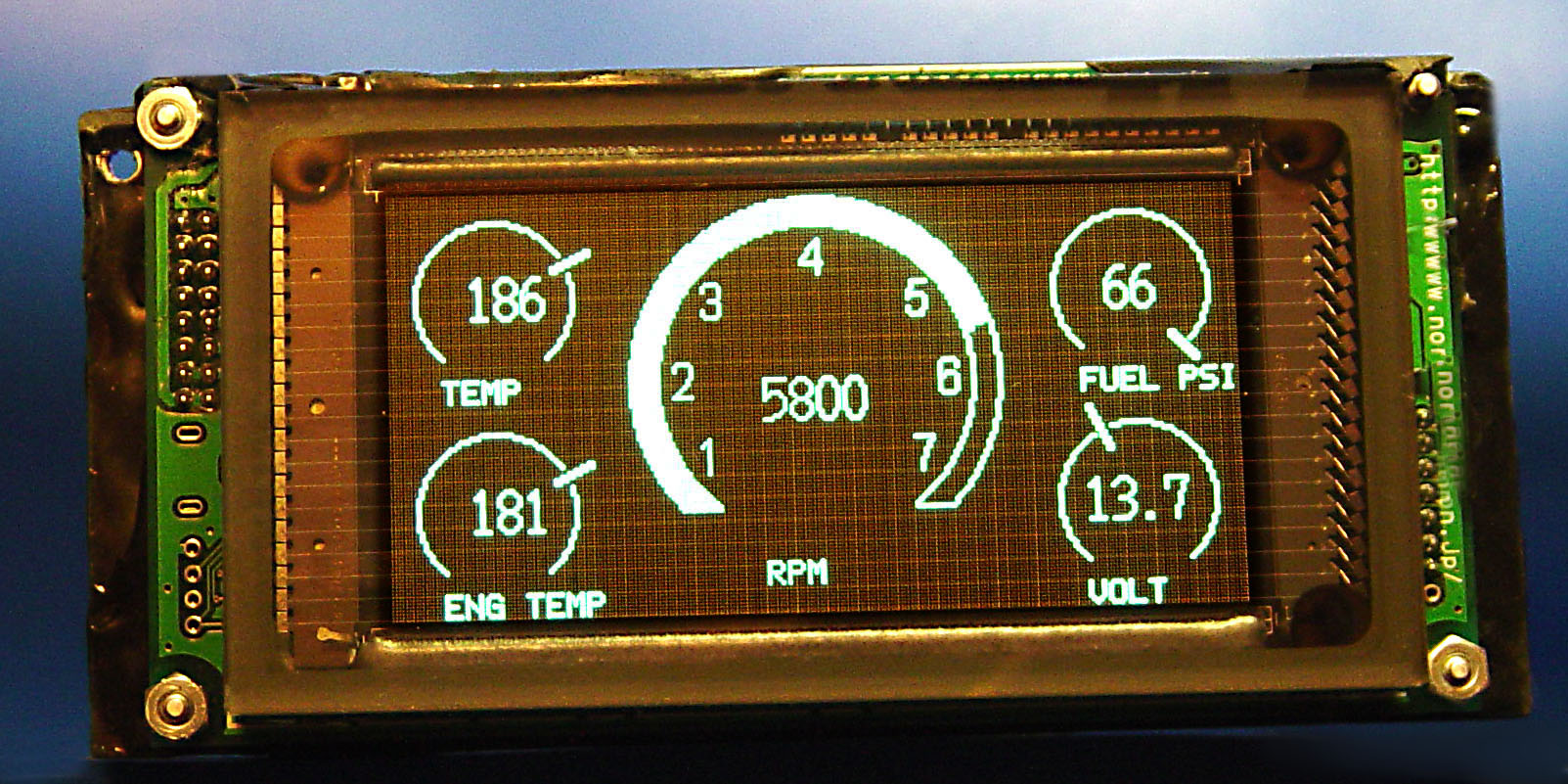 I once heard that NASA uses analog gauges, or digitized versions of analog gauges like the one above, because it is easier to process spatial relationships than raw numbers. I'll take that as my excuse for getting a speeding ticket once in my mom's Prius which has a Speedo that looks like this: 
So it seems sensical that we have a similar disconnect when interpreting raw information about ourselves, a subject which we are especially good at interpreting poorly. So here is my personality flower:

This, unlike the raw data, is shocking to me. One thing I'm certain of, anyone who has dated me will look right at that purple petal and say: "Yeah, that's him." I mean, this freaks me out, seeing how unbalanced the purple petal is compared to all the others. And then I realize that the tiny purple petal is precisely what's making me freak out about the tiny purple petal, and now I'm REALLY freaking out.
Here's my flower they are stacked against the "fully actualized personality" for comparison, that's when I really start feeling bad.
Photo-shop-ographic proof that I am not perfect.
Nothing like the Buddha represented in a flower to make you realize how much you suck.What keeps me calm is understanding that these Non-Cognitive Skills are completely malleable. They are not so fluid that these tests are meaningless, but there is supposedly a great deal of flux possible with these numbers. And the alteration of those numbers, represented by the changing size of those petals, would supposedly correlate with more success and contentment in my life. Well, we'll see. I will say I find this visualization useful. It's easier to manage your Neuroticism, IMO, if you can picture it as merely an under-Miracle-Gro'd flower petal instead of a Klonopin-craving depravity monster. Let's check out the other flowers I made. These are a few of the kids I work with at a community center. These boys are between the ages of 12 and 17 and have been labelled "at-risk." Most of them have weapons, burglary or assault charges and take part in this program instead of going to juvenile detention.  This kid's Agreeableness, Conscientiousness, and Emotional Stability are all well under the 50% mark. So I have some mixed feelings when looking at this. The most unhelpful part of me says "so... I guess this means I'm a better person than him." That's not what this means. The whole idea of displaying these spectrums is to show that there is a fluidity to traits, and there is no orientation which suddenly makes one a "good," "bad," or "great" person. Also, these numbers refer to percentiles, based upon others who have taken the same survery, they are not attempts to "objectify" human goodness or anything like that. What is more helpful to see when looking at this flower is potential. With so much room to grow in categories like Agreeableness and Conscientiousness, think how many doors can open for this kid that are now closed because he's kinda hard to get along with! Now, his Emotional Stability is also pretty low, but if you're paying attention you'll see that it's actually higher than mine. This is a trend:  This guy's Emotional Stability is over 3x mine.  This dude blows me out of the water for E.S.! This could be a result of these kids not taking the test with the utmost sincerity. They're not dumb, and the questions that make you seem like a nervous punk kinda pop out at you (to which I say YES, I am a nervous punk), so maybe they're just trying to seem tough. But its also likely that they are just tougher than me, they have more "Grit" as Paul Tough calls it in his book: "How Children Succeed: Grit, Curiosity, and the Hidden Power of Character". I think that's a very reasonable analysis of this limited data, actually. As someone who has been privileged thus far in life (to put it mildly) you would think this might affect my personality. I easily acquired the traits of being open and agreeable because everyone in my life seemed to be offering me things, nice, often iPod shaped things. All of the other kids tested, however, have lived very different lives. Not one of them was raised with two parents, many grew up hungry, all have seen violence in their community on a daily basis. Why WOULD they score highly in traits like Openness and Agreeableness? One might called this "closedness" a coping mechanism, but like all coping mechanisms it was developed to keep them alive. |
I've been looking at the data in other ways, but obviously this is a tiny sampling. The real goal is to have these data points over time. We'd like to see if our intervention program has any affect on them and in what ways. Here's something interesting though:

The Locus of Control Test and the Big 5 Test can both render percentage scores (though the Big 5 is truly a percentile, showing your place amongst other test takers not your score within raw data). This made it easy to take an average of the participants Big 5 score and plot it with their Locus of Control test to see if there were any interesting correlation. What this graph shows is, with one exception, the higher the amount of control they felt in their lives, the higher they scored on average in the different Big 5 Categories. And yes, I did adjust Neuroticism to be "Emotional Stability" so that you'd actually want a high score. This is just a correlation that fits a tiny sampling, but it does reenforce the obvious: help them feel more in control of themselves, of their life, of their destiny, and the rest might just take care of itself.
It does make me wonder, however, is anyone really in control? or is it just helpful to think so?


